

Field notes from the charging frontier.
How host-owned charging actually gets underwritten, engineered and paid for — DC fast economics, credit revenue, interconnection and the destination tier. Written by the team that builds it.
Insurance and Liability at a Public Charging Site
A public DC fast site puts moving equipment, high voltage and strangers' vehicles on one parcel at once. The coverage question is not whether to insure it, but who is insuring which piece.
Buying Power: PPAs and Tariff Selection for Charging Loads
The utility does not put a fast-charging site on the right rate schedule by default, and the rate schedule is only half the decision. Tariff election and power purchase agreements are the other lever, and only an owner can pull it.
Utilization Curves and the Year-Two Inflection
A new DC fast site rarely opens busy. Utilization climbs on a curve, not a switch, and the sites judged by their first twelve months are usually being judged on the wrong year.
NACS and What Connector Convergence Means for Hosts
The industry has converged on a single fast-charging connector standard. For a host underwriting a site today, that is not a footnote, it is a decision about equipment, stall count and how long the asset stays useful.
The 80% Rule and Session Design
Every DC fast session follows the same curve, fast to roughly 80% state of charge, then a long taper. The stalls that make money are engineered around that shape, not around a flat charging speed.
What the Site Tools Show You Before You Commit
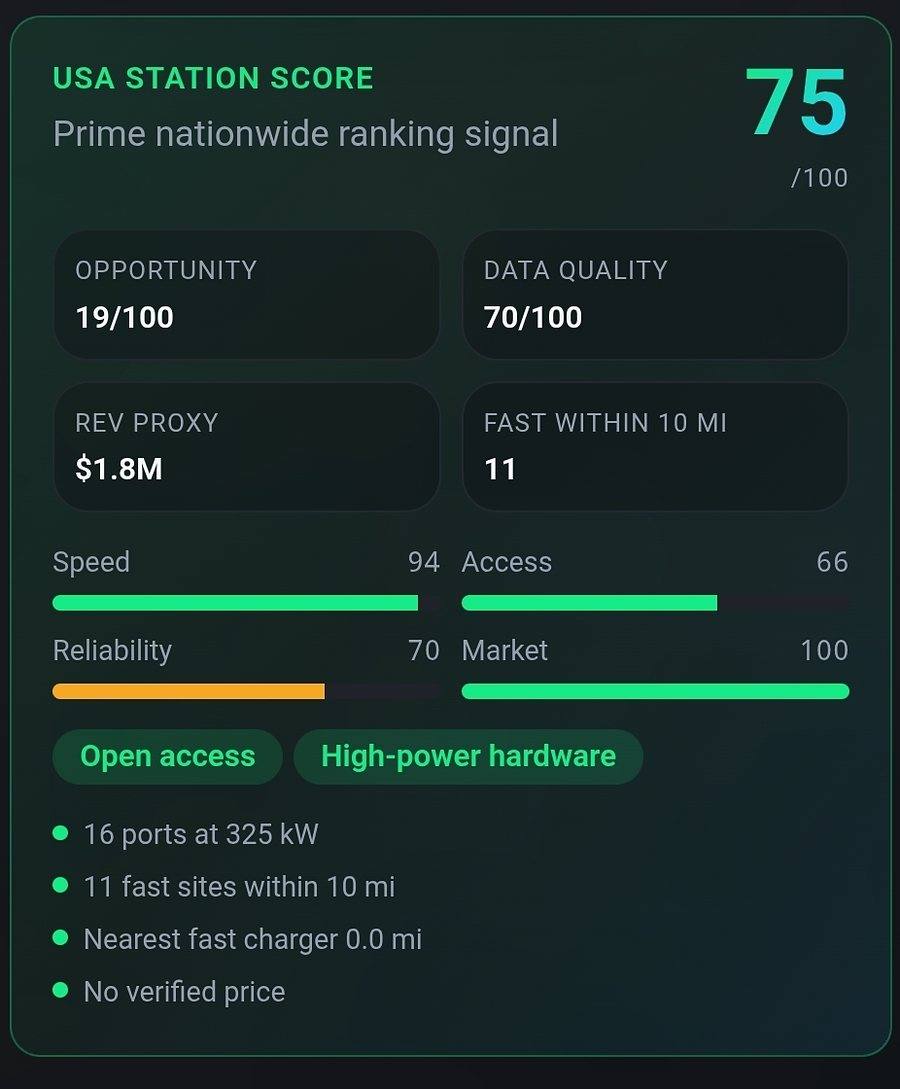
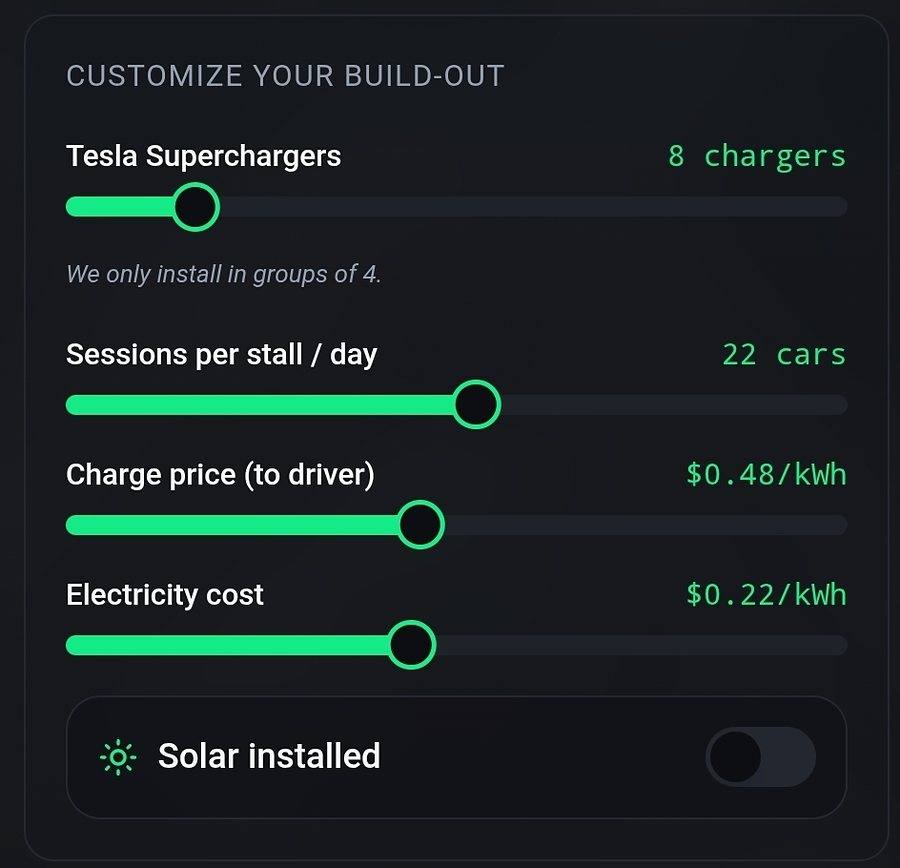
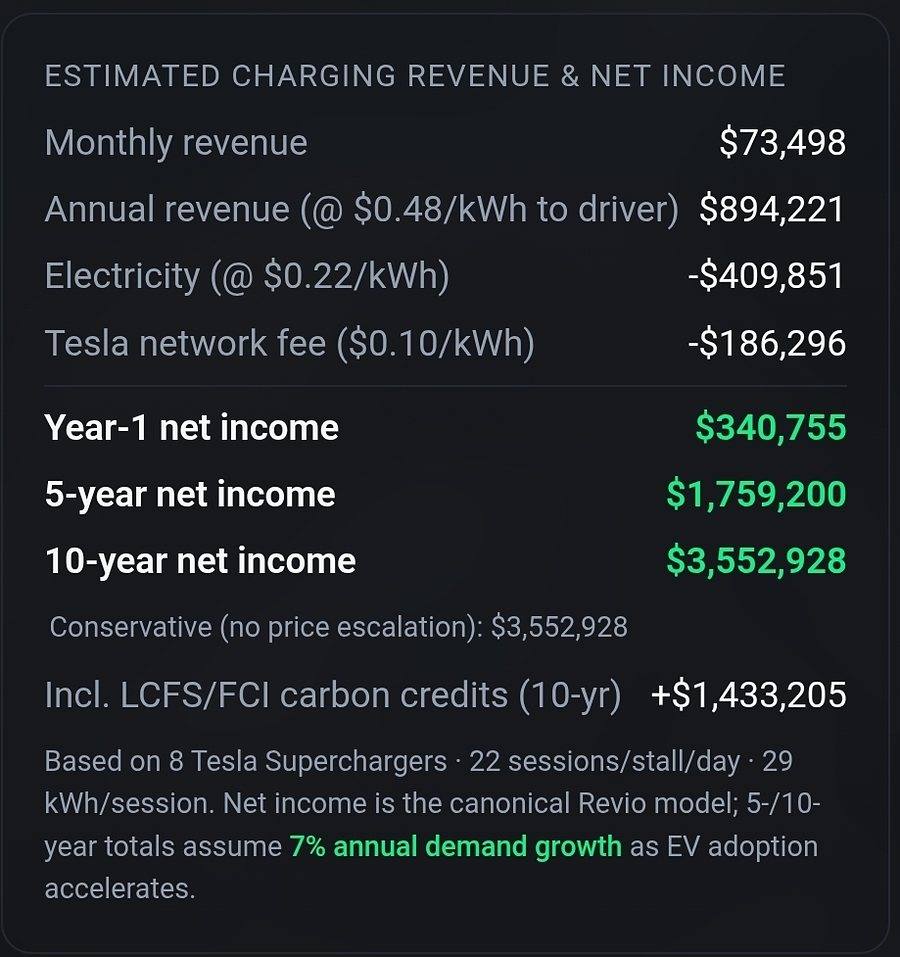
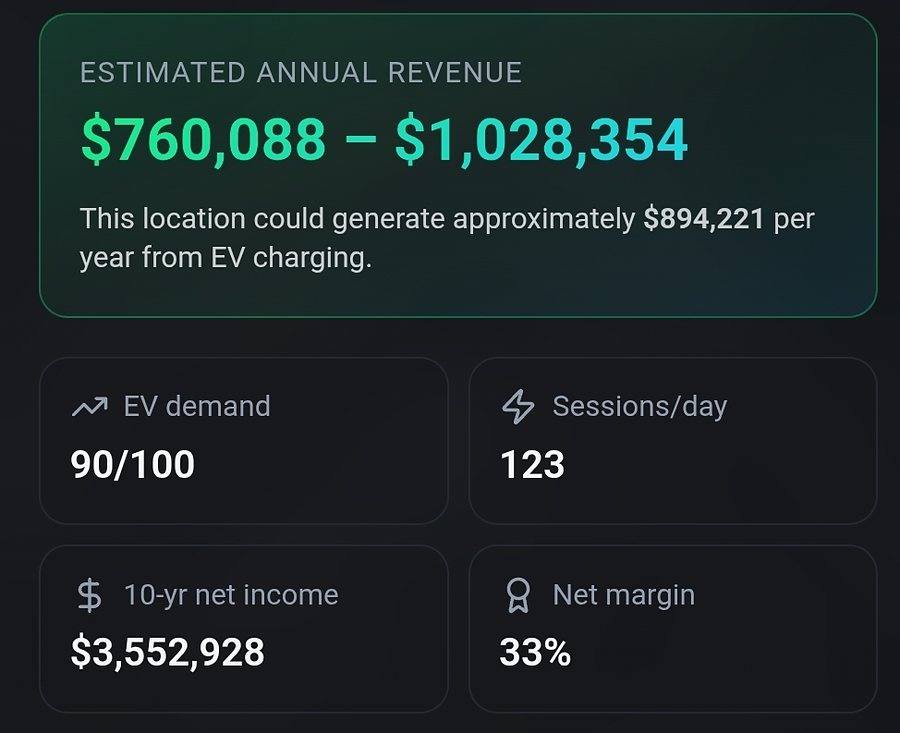
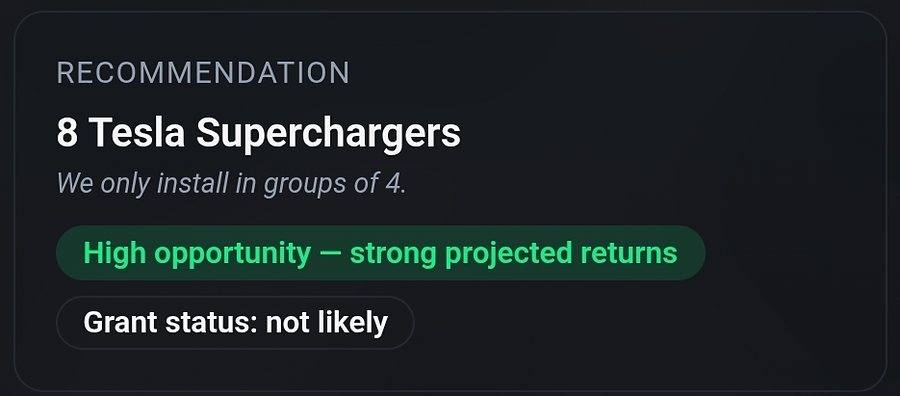
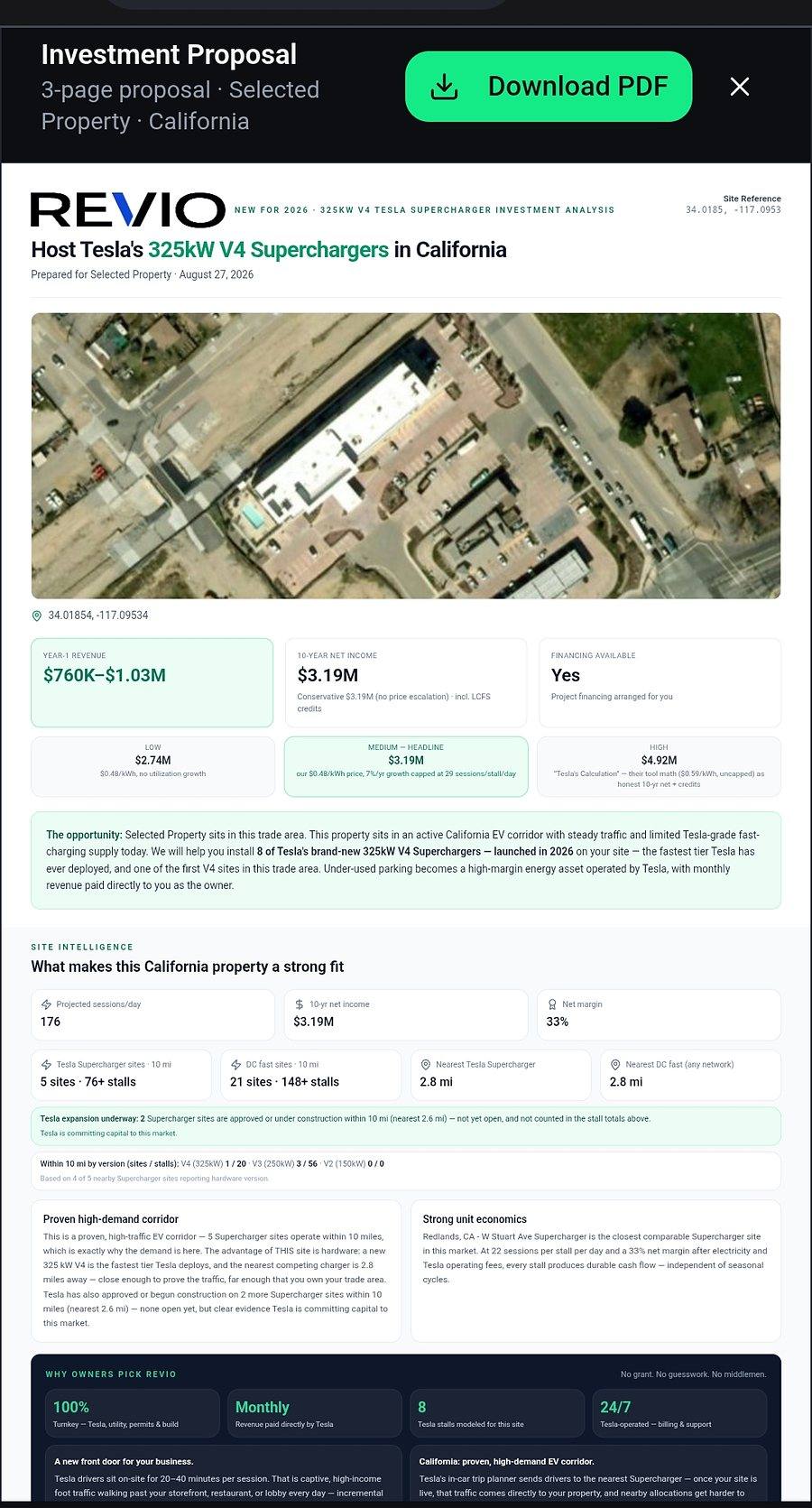
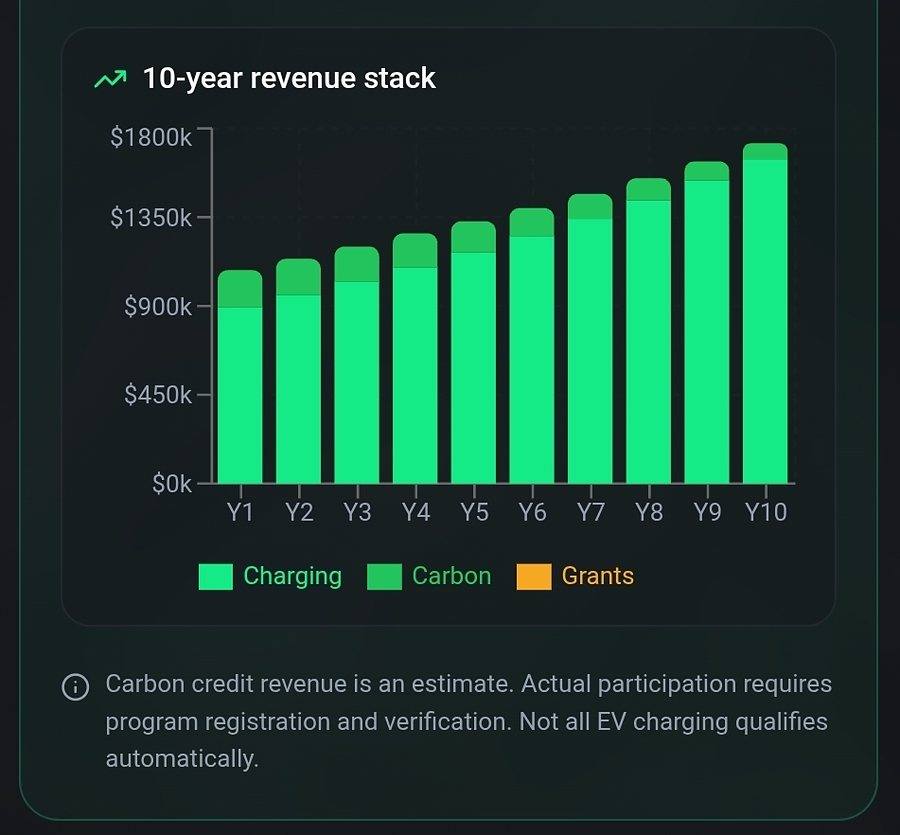
A commercial property owner evaluating a fast-charging site usually gets one number, an offer. Site-intelligence software gives you three, before you take a call from anyone.
The Resale Value of an Energized Site
An interconnected, permitted, metered charging site is not the same asset as the parcel it was built on. What a buyer is actually pricing when the electrons are already flowing.
Pricing a kWh at the Stall
The price on the screen at a DC fast stall is not one number, it is a stack of decisions about metering law, demand charges and margin that most hosts inherit from a network instead of setting themselves.
Multifamily Right-to-Charge and the Landlord's Position
Right-to-charge laws give renters a path to install their own EV charger. They also hand multifamily owners a choice, react tenant by tenant, or get ahead of it with infrastructure the property actually owns.
Why Networks Want Your Parcel (And What It Tells You)
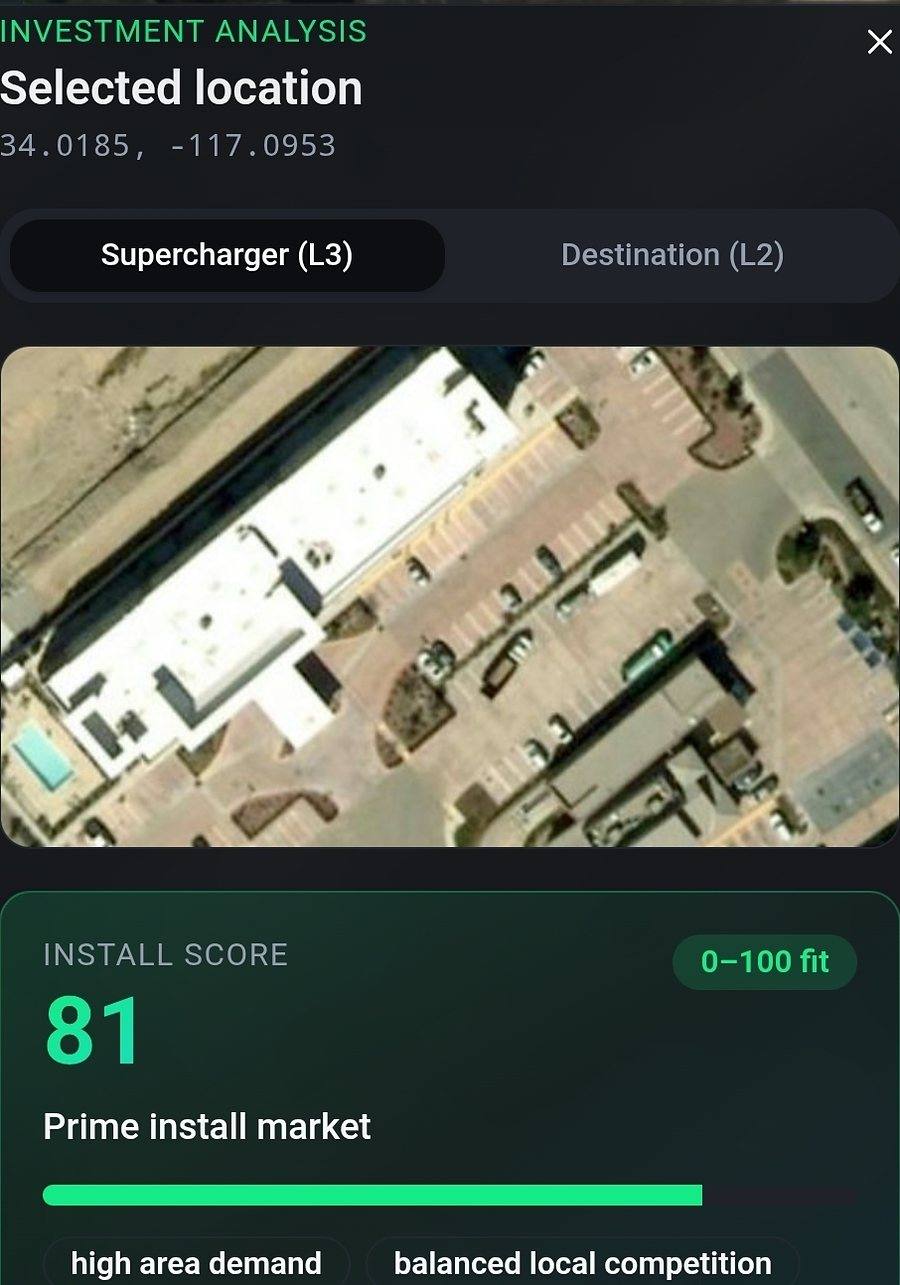
When a charging network approaches your property first, it has already run a site screen you never saw. The same signals that make a parcel attractive to lease are the signals that make it worth owning.
Demand Charges and Why Storage Exists
On a fast-charging site, the bill is not mostly energy, it is the single highest fifteen minutes of the month, priced per kilowatt. Understanding demand charges explains tariff selection, stall count and why batteries keep appearing next to chargers.
The Asset Case for Host-Owned DC Fast Charging
Host agreements trade the upside for a ground lease. Owning the stalls outright keeps the charging revenue, the LCFS credits and the asset itself on your balance sheet.
What a 500 kW Site Actually Requires
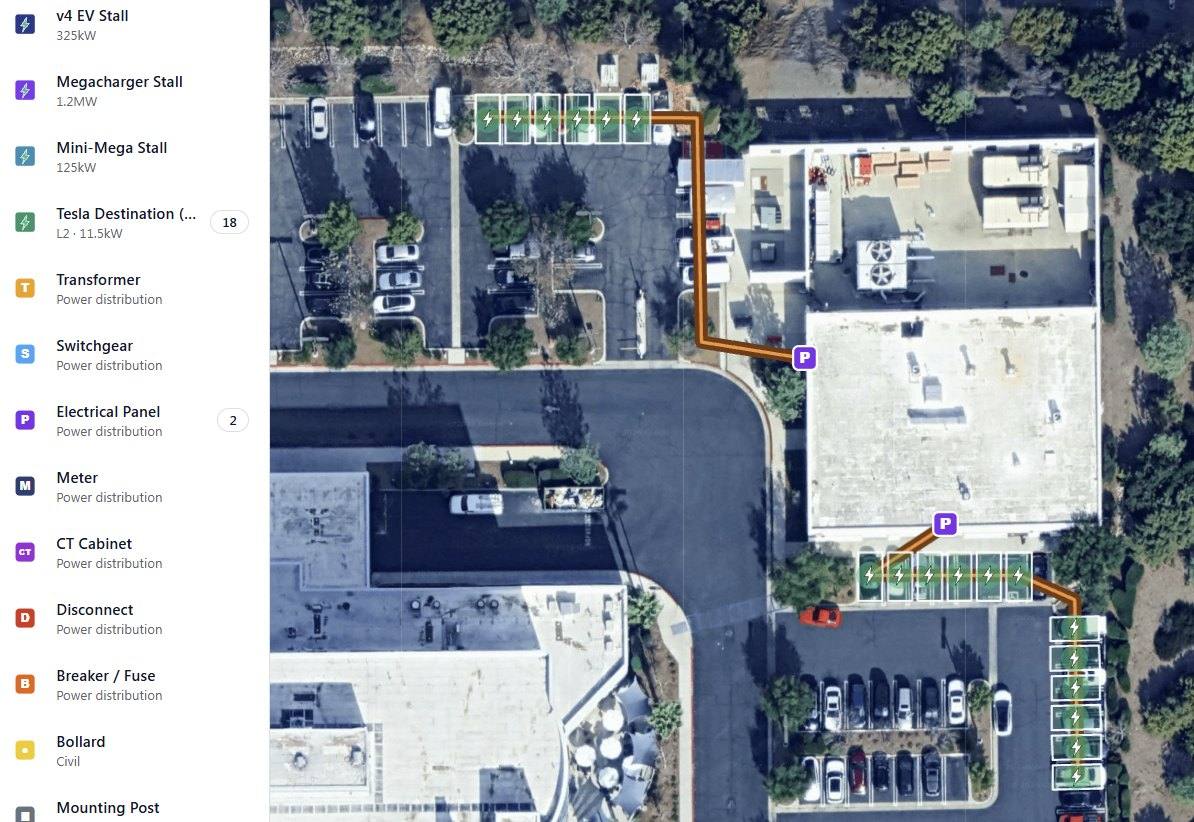
Current-generation fast charging is an electrical engineering problem before it is anything else. Service capacity, transformer position, conduit runs and the year-five build-out, read the parcel first.
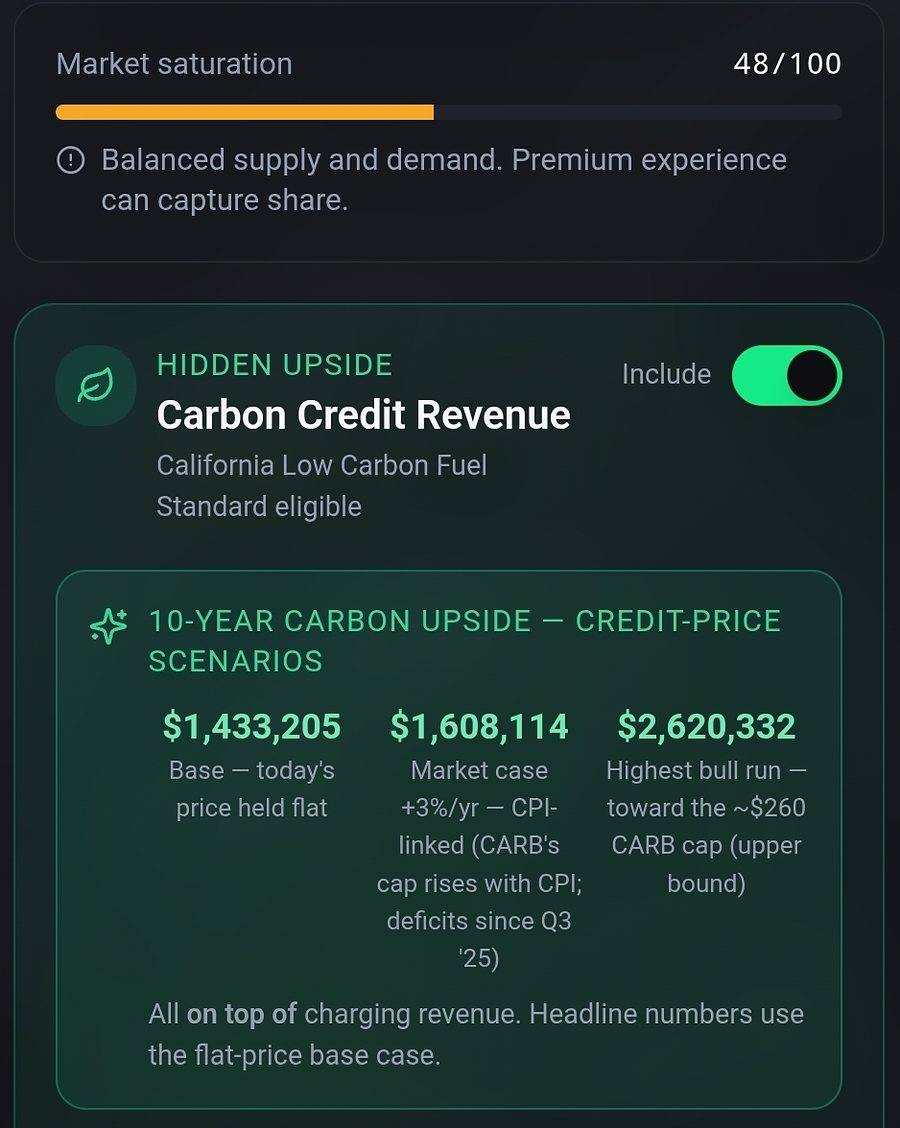
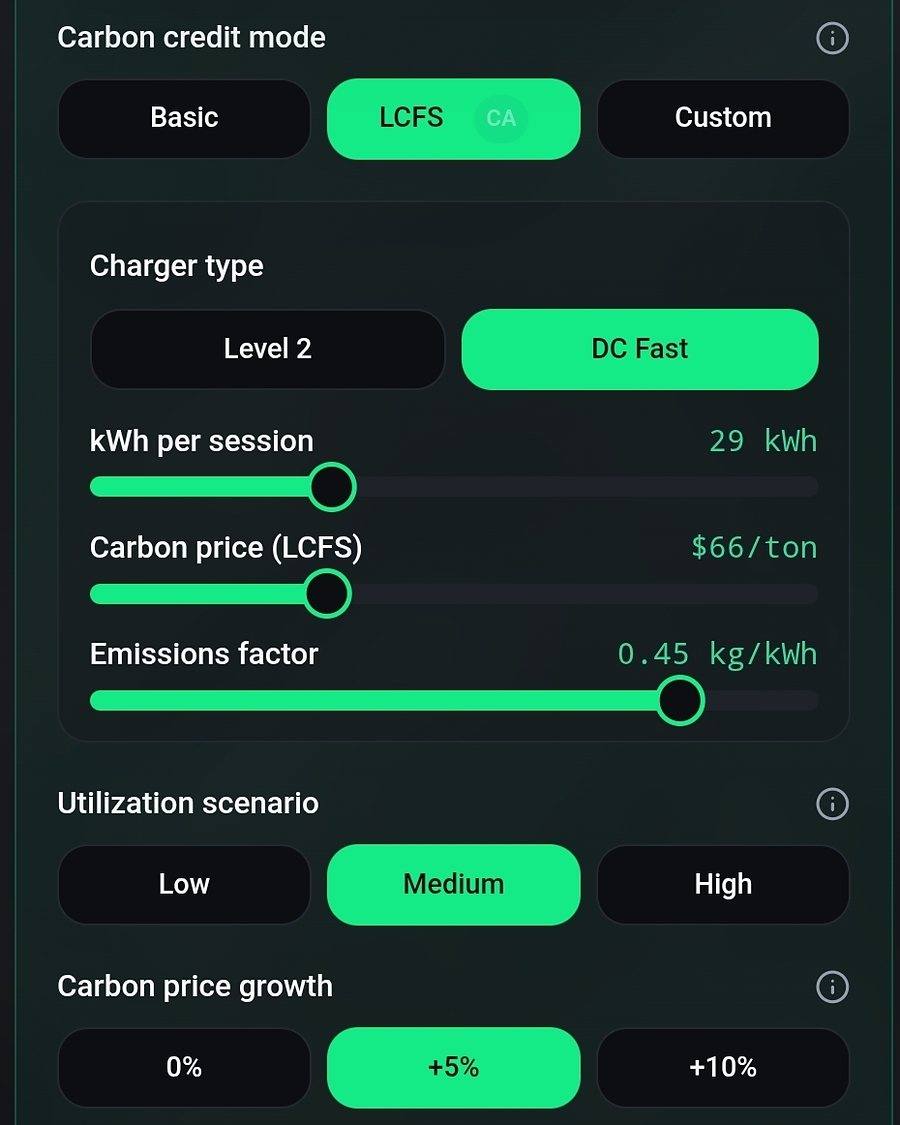
LCFS: The Revenue Line Most Hosts Never Collect
California pays a regulated, market-priced credit on every metered kilowatt-hour of public charging. It accrues to whoever holds the registration, which is why the ownership model decides who gets paid.
Interconnection Is the Schedule. Manage It Like One.
Equipment ships in weeks; utility capacity arrives on the utility's calendar. The sites that energize on time are the ones that treat the interconnection queue as the critical path from day one.
Destination Charging and the Economics of Dwell
Level 2 charging earns differently than DC fast, it converts time your guests were already spending into energy revenue, credit revenue and measurably longer visits. The math for hotels, retail and grocery.
Megawatt Charging and the Freight Corridor Opportunity
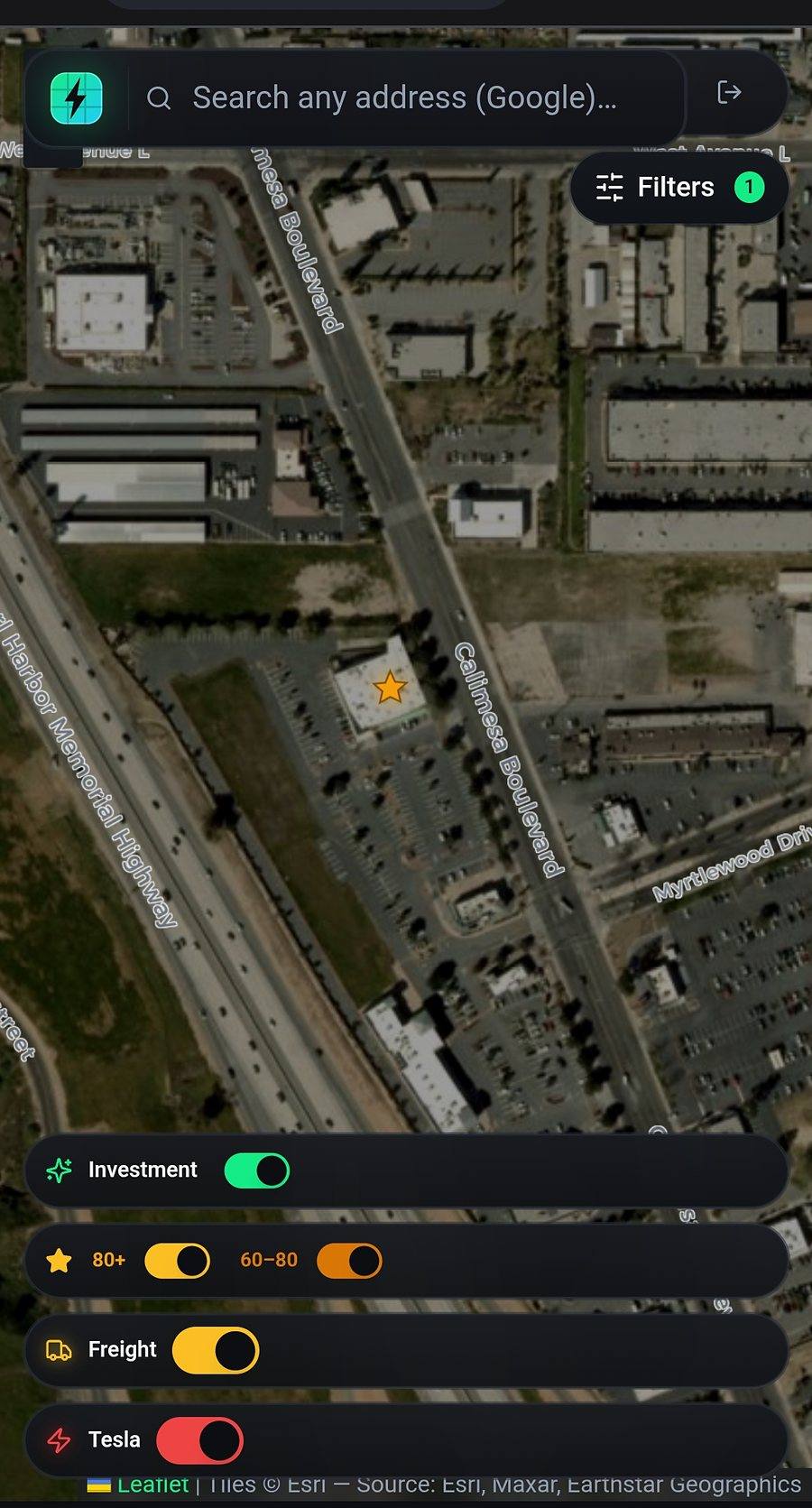
Class 8 electrification is arriving on a fixed map, the corridors are known, the duty cycles are known, and the parcels that can host 1.2 MW charging are scarce. Position now or watch it pass.
Uptime Is the Brand
Drivers forgive price faster than they forgive a dead stall. What operational excellence actually looks like on a public charging site, telemetry, contracts, spares and the discipline behind five nines of trust.